
Dental Implants in Knoxville, TN That Restore Your Smile
If you're missing one or more teeth, dental implants in Knoxville, TN can give you back a smile that looks, feels, and works like your own. At Isom Dentistry, we treat every patient with the same honest, no-pressure approach Dr. Brad Isom is known for, walking you through your options so you can choose what's right for you and your budget. We welcome new patients, and we accept a broad range of PPO insurance plans, which helps make implant treatment easier to fit into your life. Using CBCT-guided imaging and Dr. Isom's advanced implant training, we map out your placement with real precision before any work begins, so you always know what to expect. Whether you lost a tooth to decay, injury, or gum disease, an implant offers a long-term fix built to last, not just a quick patch.
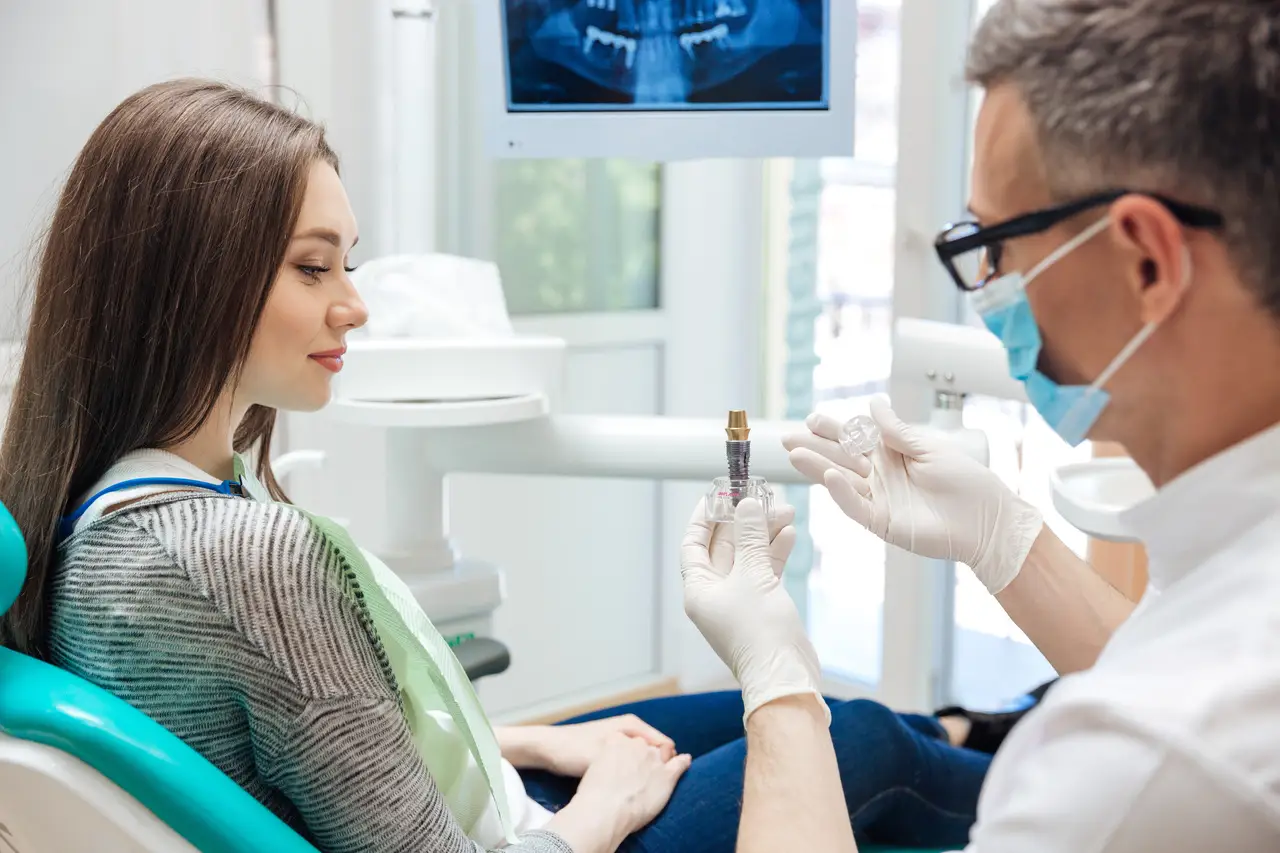
Benefits & Value of Choosing Dental Implants
Unlike bridges or dentures, dental implants replace the tooth root, not just the visible crown. That matters for your jawbone. Once a tooth is gone, the bone underneath begins to shrink. An implant post fills that space and helps keep your jaw strong and your face shape steady over time.
Implants also stand on their own. Unlike a bridge, they don't lean on the teeth next to the gap for support, so your natural teeth stay untouched. They look and feel like real teeth, let you eat the foods you enjoy, and hold up well with good daily care. For many patients, that mix of strength, comfort, and a natural look makes implants our premier tooth-replacement option, one piece of our full lineup of restorative and surgical dentistry services.
If you're missing several teeth or need a full-arch solution, ask about All-on-4 implants at your visit. It may be a good fit depending on your needs.
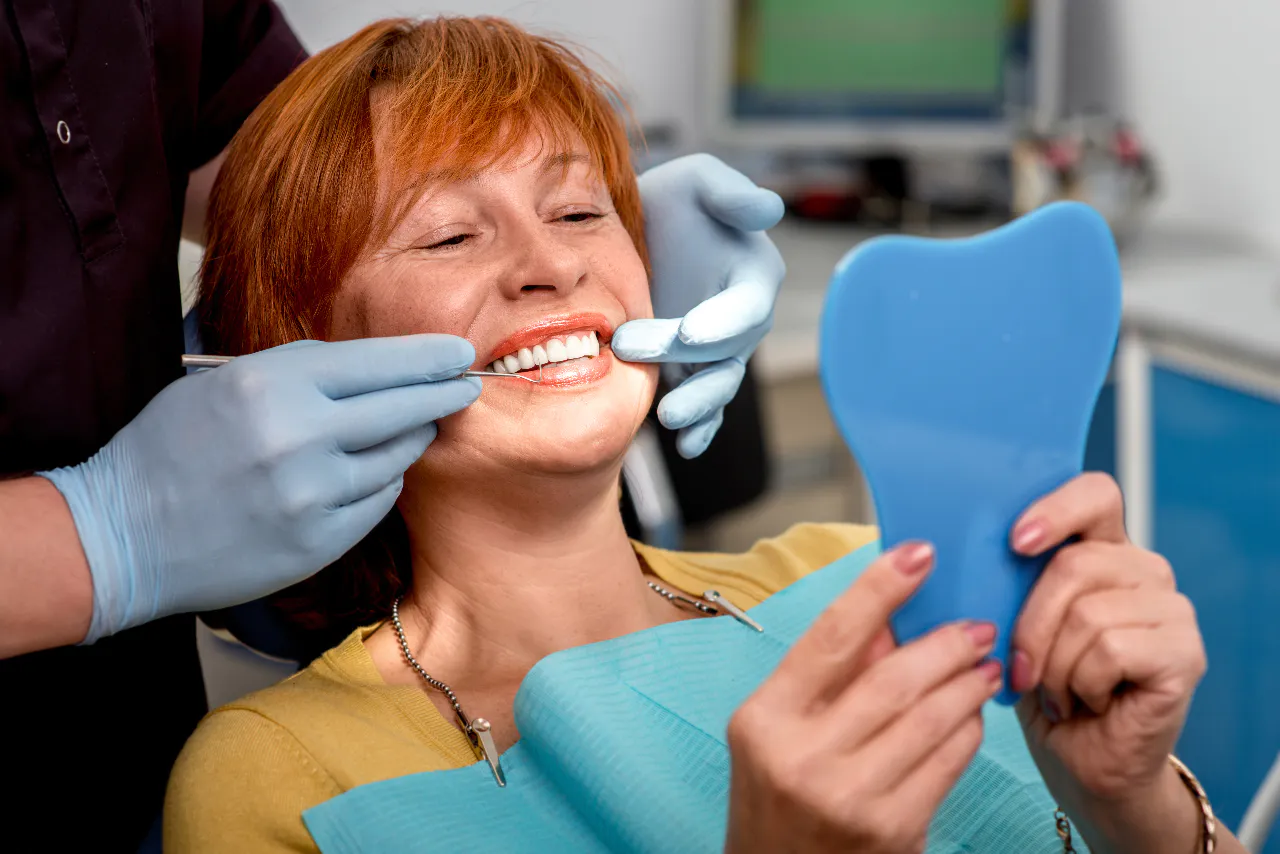
What to Expect: The Dental Implant Process
Getting a dental implant happens in stages, and Dr. Isom takes time at each one so nothing feels rushed or confusing.
Consultation & CBCT-Guided Planning
Your visit starts with a conversation. Dr. Isom checks your gum health and jawbone, then uses CBCT (3D cone beam) imaging to plan the exact size, angle, and position for your implant. This digital planning adds accuracy and gives you a clear picture of treatment before it starts. If imaging shows you don't have enough bone to support an implant, bone grafting can rebuild that foundation first.
Implant Placement & Healing
Next, a small titanium post is placed into your jawbone to act as the new tooth root. Some patients need a tooth removed before this step; our tooth extractions service can handle that at the same practice. After placement, your jawbone needs time to heal and fuse around the implant. This healing period usually takes a few months, and Dr. Isom checks your progress along the way.
Custom Restoration Placement
Once healing is complete, a custom crown, bridge, or denture is attached to the implant. This final piece is matched to your smile so it blends in naturally with your other teeth. Many patients tell us this last step is when the implant finally feels like their own tooth again.
Dental Implants vs. Fixed Bridges: Comparing Your Tooth-Replacement Options
Both dental implants and fixed bridges can replace a missing tooth, and each has real advantages. Dr. Isom will walk you through your options honestly, without steering you toward one choice, so you can pick what fits your health, timeline, and budget.
Implants vs. Bridges at a Glance
| Feature | Dental Implants | Fixed Bridges |
|---|---|---|
| Longevity | Designed to last many years, often decades, with good care | May need replacement after years of use |
| Bone Preservation | Helps preserve jawbone by replacing the tooth root | Does not prevent jawbone loss under the missing tooth |
| Impact on Adjacent Teeth | Neighboring teeth are left untouched | Requires reshaping the teeth next to the gap for support |
| Maintenance | Brush and floss like a natural tooth | Needs special flossing tools to clean underneath |
| Typical Cost | Higher upfront cost, often better long-term value | Generally lower upfront cost |
There's no single answer that's right for everyone. Some patients value the bone-preserving benefits of an implant, while others prefer the shorter treatment timeline a bridge offers. We'll help you weigh both options honestly at your consultation.
Call us at (865) 521-7707 to talk with Dr. Isom about which tooth-replacement option fits your smileFrequently Asked Questions
Am I a Candidate for Dental Implants? ⌄
Most patients with healthy gums and enough jawbone make good candidates for dental implants. Dr. Isom checks your bone density and overall oral health during a consultation, using CBCT imaging when needed. If your bone volume is low, options like bone grafting may help make implants possible.
How Long Do Dental Implants Last? ⌄
With good oral hygiene and regular checkups, dental implants are designed to last many years, and often a lifetime. The implant post itself rarely needs replacing, though the crown on top may need updating after many years of normal wear.
What Happens If I Don't Replace a Missing Tooth? ⌄
Leaving a gap can let nearby teeth shift out of place, change how you bite and chew, and lead to jawbone loss over time. It can also affect how confident you feel about your smile. Replacing the tooth, whether with an implant or another option, helps protect your long-term oral health.
Does Insurance Cover Dental Implants? ⌄
Coverage varies by plan, and many PPO plans cover at least part of the cost, especially the restoration itself. Isom Dentistry accepts a broad range of PPO insurance, and our team can help you understand your specific benefits before treatment begins.