
Dental Sealants in Knoxville, TN
Dental sealants are thin, protective coatings placed on the chewing surfaces of your back teeth. These teeth have deep grooves that are hard to clean completely, even with careful brushing. If you're looking into dental sealants in Knoxville, TN, you're taking a simple step toward keeping cavities away before they start. At Isom Dentistry, we welcome new patients at every stage of life with a relaxed, judgment-free approach, and we accept most PPO insurance plans, so getting this kind of protection is easy to fit into your care. Call (865) 521-7707 to ask if sealants make sense for you or your child.
Benefits of Dental Sealants
Sealants work like a shield over the parts of your teeth that get the most wear from chewing. Food particles and bacteria tend to settle into the tiny grooves on molars, and even good brushing habits can miss those spots. A sealant fills in those grooves so plaque has nowhere to hide. This is one reason sealants pair so well with regular cleanings and exams, since your hygienist can check that sealants are holding up and catch any early signs of decay.

How Dental Sealants Are Applied
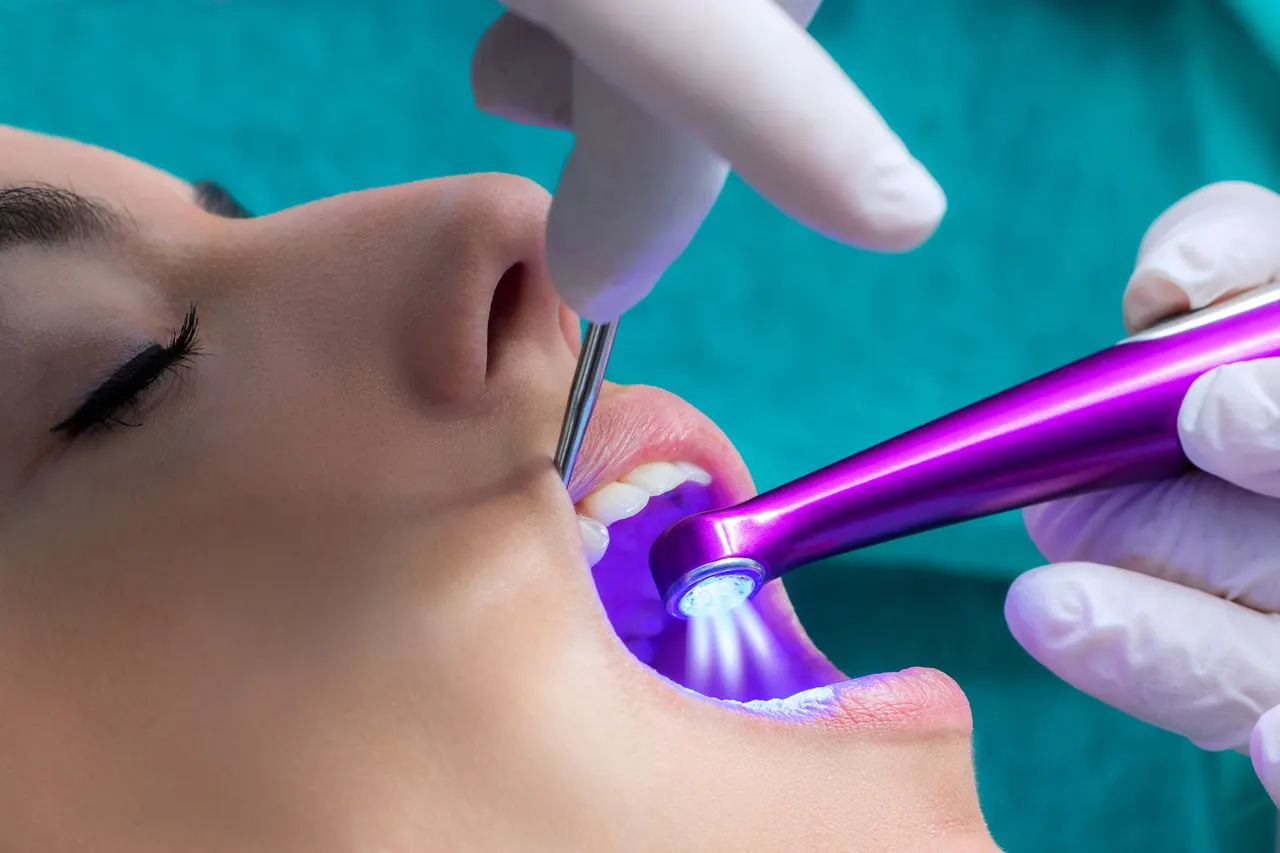
Applying a sealant is quick and doesn't hurt. We start by cleaning and drying the tooth, then apply a special gel that helps the sealant bond to the enamel. After rinsing the gel away, we paint on the liquid sealant and use a curing light to harden it in place. The whole process usually takes just a few minutes per tooth, with no drilling or numbing needed.
Who Should Consider Sealants
Sealants work best on teeth with deep pits and grooves, which is why back molars are the most common spot for them. During a routine exam, digital X-rays can help us see which teeth have the kind of grooves that trap food and bacteria, so we can talk through whether dental sealants make sense for you.
Sealants for Kids and Adults
Sealants are often recommended for kids and teens as soon as their permanent molars come in, usually between ages 6 and 12, since these new teeth are especially prone to cavities. But adults can benefit too, especially if you have deep grooves in your molars or a history of cavities in those spots. Many patients pair sealants with fluoride treatment as an added layer of cavity protection.
Sealants are just one piece of the preventive and general dentistry we build around your needs, alongside cleanings, exams, and other routine care.
Frequently Asked Questions
How long do dental sealants last? ⌄
Dental sealants typically last several years, though how long depends on your bite, diet, and oral hygiene habits. We check sealants at your regular checkups and can reapply or repair them if they start to wear down.
What happens if you skip sealants on cavity-prone teeth? ⌄
Skipping sealants doesn't mean you'll get a cavity, but it does leave deep grooves more exposed to plaque and food. Over time, this can make it harder to keep those spots clean, which raises the chance of decay in molars that are already tricky to brush well.